Industry Specializations

At Recruitment Group, we understand the critical role that talent plays in organizational growth and competitiveness. That’s why we go above and beyond to deliver tailored staffing solutions that align with our clients’ objectives and aspirations. 

Whether it’s sourcing highly skilled engineers, safety specialists, or logistics managers, our companies are equipped to meet diverse staffing requirements efficiently and effectively.
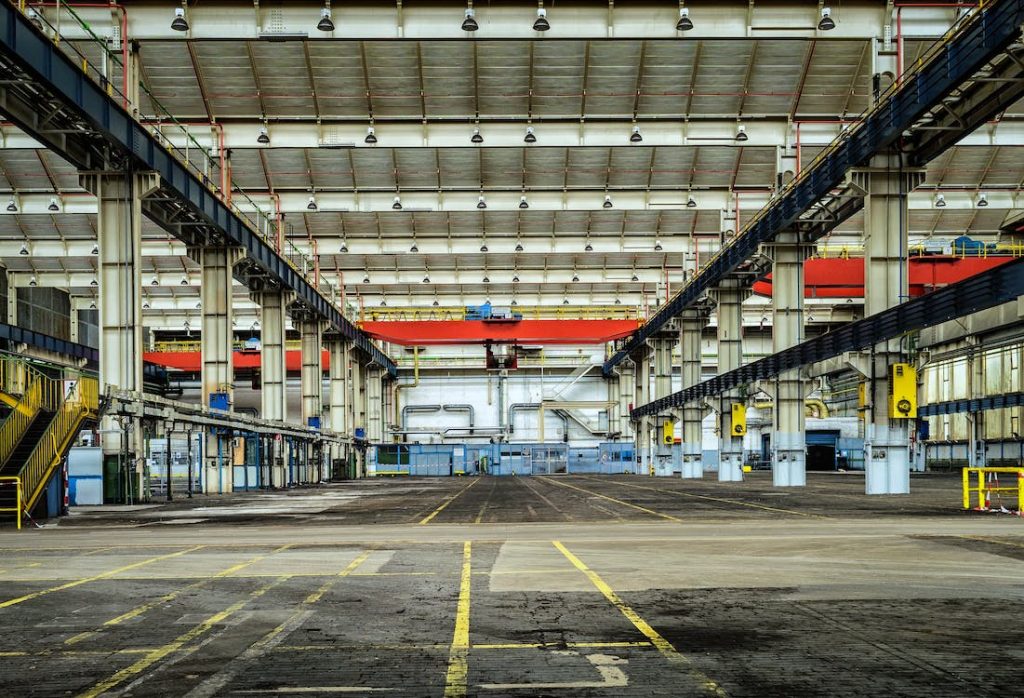
Petrochemical Industry

Here’s a list of labour workers commonly supplied by recruitment Group to the petrochemical industry:

  • Pipefitters: Install, repair, and modify piping systems, valves, and fittings, including prefabrication and welding of pipe spools. 

  • Welders: Perform welding repairs and modifications to equipment and structures, including piping, vessels, and support structures, following welding procedures and safety protocols.

  • Electricians: Install, maintain, and repair electrical systems and equipment used in mining operations, including lighting, motors, and communication systems.

  • Instrumentation Technicians: Maintain and calibrate instrumentation and control systems, troubleshoot control system issues, and ensure accurate measurement and control of processes.

  • Mechanical Fitters: Skilled in assembling, disassembling, and maintaining mechanical equipment such as pumps, compressors, and turbines in petrochemical plants.

  • Riggers: Rig and move heavy equipment and components using cranes, hoists, and rigging equipment, following rigging plans and safety procedures.

  • Scaffolders: Skilled in erecting, inspecting, and dismantling scaffolding structures to provide safe access for maintenance and construction activities in petrochemical plants.

  • Insulators: Workers responsible for installing insulation materials to maintain temperature control and prevent heat loss in petrochemical equipment and piping systems.

  • Painters/Coaters: Prepare surfaces and apply protective coatings to equipment and structures to prevent corrosion and maintain aesthetics.

  • General Laborers: Provide general support for mining operations, including material handling, site cleanup, and assisting skilled workers.

  • Safety Personnel: Trained safety professionals responsible for enforcing safety protocols, conducting inspections, and promoting a culture of safety within petrochemical facilities.

  • Drivers/Operators: Skilled operators and drivers responsible for operating heavy machinery, transporting materials, and performing logistics tasks within petrochemical sites.

  • Confined Space Attendants: Trained personnel responsible for monitoring and ensuring safety during work in confined spaces within petrochemical facilities.

  • Firewatch Personnel: Workers responsible for fire prevention and detection, monitoring hot work areas, and ensuring compliance with fire safety protocols in petrochemical plants.

  • Material Handlers: Workers responsible for managing inventory, receiving, storing, and distributing materials and equipment within petrochemical facilities.

Mining Industry

  • Miners: Responsible for extracting minerals from the earth using various techniques such as drilling, blasting, and excavation.

  • Geologists: Conduct geological surveys and studies to identify potential mineral deposits and assess their economic viability.

  • Engineers (Mining, Civil, Mechanical, Electrical): Design and oversee mining operations, including the construction of mines, infrastructure, and equipment maintenance.

  • Heavy Equipment Operators: Operate machinery such as excavators, bulldozers, and dump trucks to transport ore and remove overburden.

  • Safety Officers: Ensure compliance with safety regulations and implement safety protocols to minimize workplace hazards and accidents.

  • Drillers: Operate drilling equipment to extract core samples or boreholes for exploration and production purposes.

  • Surveyors: Measure and map mining areas, including ore reserves, mine boundaries, and underground workings.

  • Mechanics and Technicians: Maintain and repair mining equipment, including engines, pumps, conveyors, and processing plants.

  • Process Operators: Monitor and control mineral processing operations, including crushing, grinding, and flotation, to extract valuable minerals from ore.

  • Environmental Specialists: Manage environmental compliance and mitigation measures to minimize the impact of mining activities on surrounding ecosystems.

  • Chemical Engineers: Develop and optimize chemical processes for mineral extraction, beneficiation, and waste management.

Transport Industry

  • Transportation Managers: Responsible for overseeing the transportation operations, including route planning, scheduling, and fleet management.

  • Logistics Coordinators: Coordinate the movement of goods and materials, including inventory management, freight consolidation, and transportation scheduling.

  • Truck Drivers: Operate commercial vehicles such as tractor-trailers, delivery trucks, and tanker trucks to transport goods locally, regionally, or nationally.

  • Forklift Operators: Operate forklifts and other material handling equipment to load, unload, and move cargo within warehouses, distribution centers, and transportation hubs.

  • Warehouse Supervisors: Supervise warehouse operations, including receiving, storing, and shipping goods, and oversee inventory control and staff management.

  • Dispatchers: Coordinate the movement of vehicles and drivers, including assigning routes, tracking shipments, and communicating with drivers and customers.

  • Customs Brokers: Assist importers and exporters with customs clearance procedures, including preparing and submitting customs documentation and ensuring compliance with regulations.

  • Supply Chain Analysts: Analyze supply chain data and performance metrics to identify inefficiencies, optimize logistics processes, and improve cost-effectiveness.

  • Load Planners: Determine the most efficient way to load cargo onto vehicles, considering factors such as weight distribution, cargo type, and delivery schedules.

  • Safety Managers: Develop and implement safety policies and procedures to ensure compliance with regulations and minimize accidents and injuries in transportation and logistics operations.

  • Maintenance Technicians: Maintain and repair vehicles, equipment, and facilities used in transportation and logistics operations, including trucks, trailers, and warehouse machinery.

  • Customer Service Representatives: Provide support to customers, including addressing inquiries, tracking shipments, and resolving issues related to transportation and logistics services.

  • Supply Chain Managers: Oversee the entire supply chain process, from procurement and production to distribution and delivery, and develop strategies to optimize efficiency and reduce costs.

  • Route Planners: Plan and optimize delivery routes to minimize travel time, fuel consumption, and transportation costs, using route planning software and geographic information systems (GIS).

Shutdowns

  • Shutdown Managers: Oversee all aspects of the shutdown, including planning, scheduling, resource allocation, and coordination with various stakeholders.

  • Planners/Schedulers: Develop detailed shutdown plans, including tasks, timelines, and resource requirements, and schedule activities to minimize downtime and maximize productivity.

  • Safety Coordinators: Ensure compliance with safety regulations and procedures, conduct safety briefings and inspections, and address any safety concerns during the shutdown.

  • Supervisors: Lead teams of workers and subcontractors, assign tasks, monitor progress, and resolve issues to keep the shutdown on track and within budget.

  • Mechanical Engineers: Provide technical expertise for equipment maintenance, repairs, and upgrades, troubleshoot mechanical issues, and ensure equipment reliability.

  • Electrical Engineers: Oversee electrical systems maintenance and upgrades, troubleshoot electrical issues, and ensure compliance with electrical safety standards.

  • Insulation Technicians: Install, repair, and remove thermal insulation on equipment and piping systems to maintain temperature control and prevent heat loss.

Do you want to boost your business today?

This is your chance to invite visitors to contact you. Tell them you’ll be happy to answer all their questions as soon as possible.

Learn how we helped 100 top brands gain success